Simple Ways to Prevent Cracks, Sagging, and Costly Repairs
Many drywall problems come from small mistakes made during planning, hanging, or finishing. The most common errors include poor measuring, weak fastening, bad taping, and rushing the mudding process. By planning ahead and taking your time, you can avoid cracks, loose panels, and uneven walls. Good drywall installation is not just about putting up boards. It is about doing each step the right way.
Why Prevention Matters
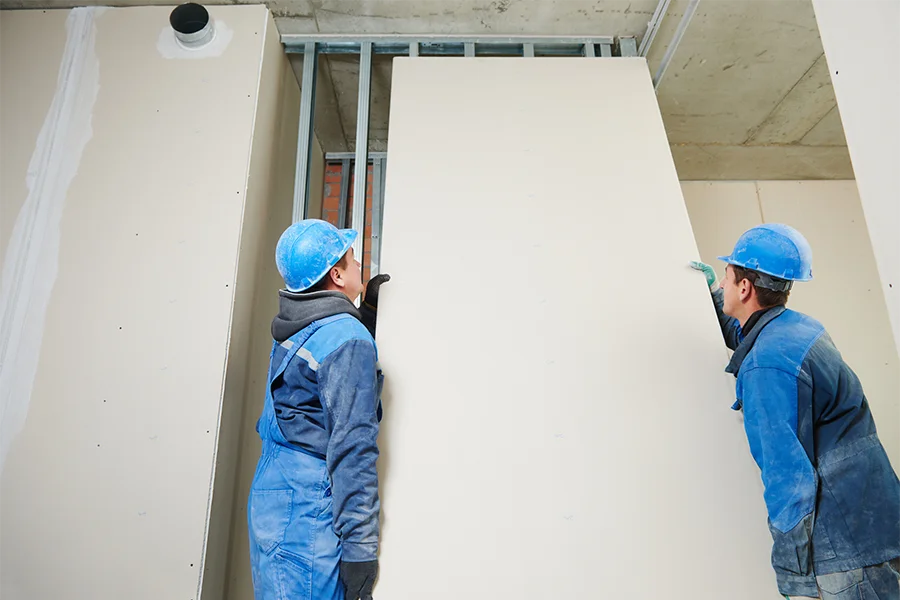
Drywall may look simple, but small issues can turn into big repairs. A panel that is not secured well can sag. Seams that are taped wrong can crack in a few months. If corners are not finished right, they chip and dent easily. Fixing these problems often costs more than doing the job right the first time. Preventing mistakes saves money and stress.
Early Warning Signs of Trouble
If drywall installation is not done properly, problems often show up fast. Watch for these signs:
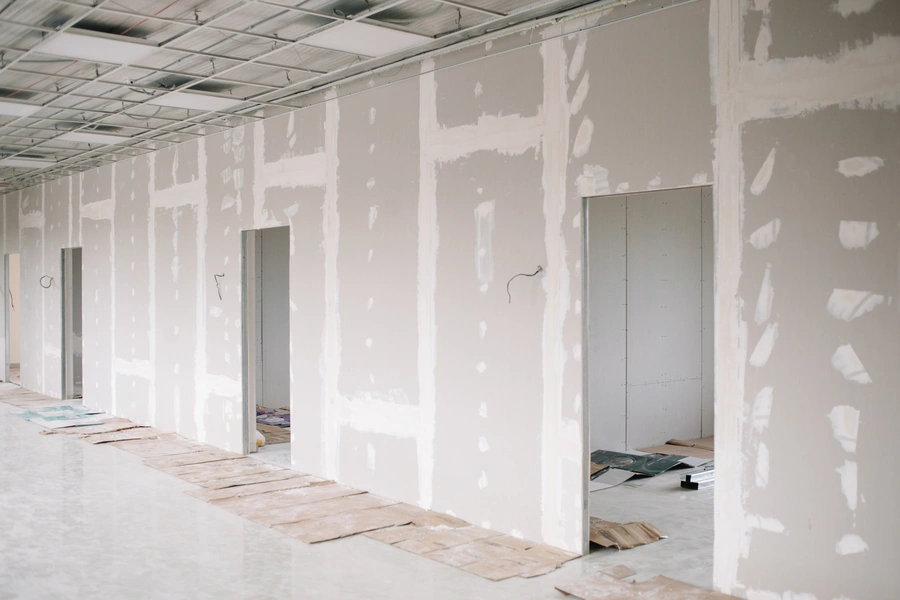
- Cracks along seams or corners
- Nail pops or screw heads pushing out
- Visible lines where panels meet
- Soft or loose spots in the wall
- Bubbles under tape
These signs usually mean something went wrong during hanging or finishing.
Routine Checklist Before and During Installation
Use this simple checklist to avoid the most common drywall installation mistakes:
- Measure walls and ceilings carefully before cutting panels.
- Store drywall flat in a dry space.
- Check that wall studs are straight and spaced correctly.
- Use the right length screws for the job.
- Place screws every 12 to 16 inches.
- Stagger seams so they do not line up in rows.
- Apply joint tape smoothly without bubbles.
- Let each mud layer dry fully before sanding or recoating.
Skipping even one of these steps can lead to weak spots or visible flaws.
Best Practices for Long-Term Results
One big mistake is rushing. Drywall finishing takes time. Each coat of joint compound needs to dry fully. Sanding too soon can ruin the surface. Adding thick coats to move faster often leads to cracking later.
Another common problem is using the wrong tools. A drywall knife that is too small leaves lines. Poor quality tape can peel away. Using drywall screws instead of nails helps prevent nail pops in the future.
Humidity also matters. High moisture can cause swelling and soft spots. If you are working in a basement or bathroom, make sure the room has proper airflow. In wet areas, use moisture-resistant panels.
Corner beads should be secured tightly and covered evenly with compound. If they are loose, corners will dent easily. Smooth finishing takes patience. Light sanding between coats gives better results than heavy sanding at the end.
What Not to Do
Avoid these frequent errors during drywall installation:
- Do not hang panels without checking stud alignment.
- Do not drive screws too deep and break the paper face.
- Do not leave large gaps between sheets.
- Do not skip primer before painting.
- Do not mix joint compound too thin or too thick.
Many wall problems start with broken paper on the drywall surface. When screws are overdriven, the board loses holding strength. That can cause movement and cracks later.
When to Schedule Professional Help
Some drywall jobs are harder than they seem. High ceilings, curved walls, large rooms, or heavy ceiling panels require skill and the right tools. If you are repairing large cracks or water-damaged sections, matching the texture can also be tricky.
If you keep seeing cracks return after patching, the problem may be structural or related to framing. At that point, expert help can prevent repeat damage. A trained crew can complete drywall installation smoothly and spot problems before they grow.
Get Reliable Results for Your Walls
If you want smooth, long-lasting walls in Washington Township, OH, our team is ready to help. At Hernandez Drywall Services, we focus on careful prep, clean finishing, and solid drywall installation done right the first time. Call (937) 442-5641 to schedule a visit and let us help you avoid costly mistakes while getting strong, clean walls that last.